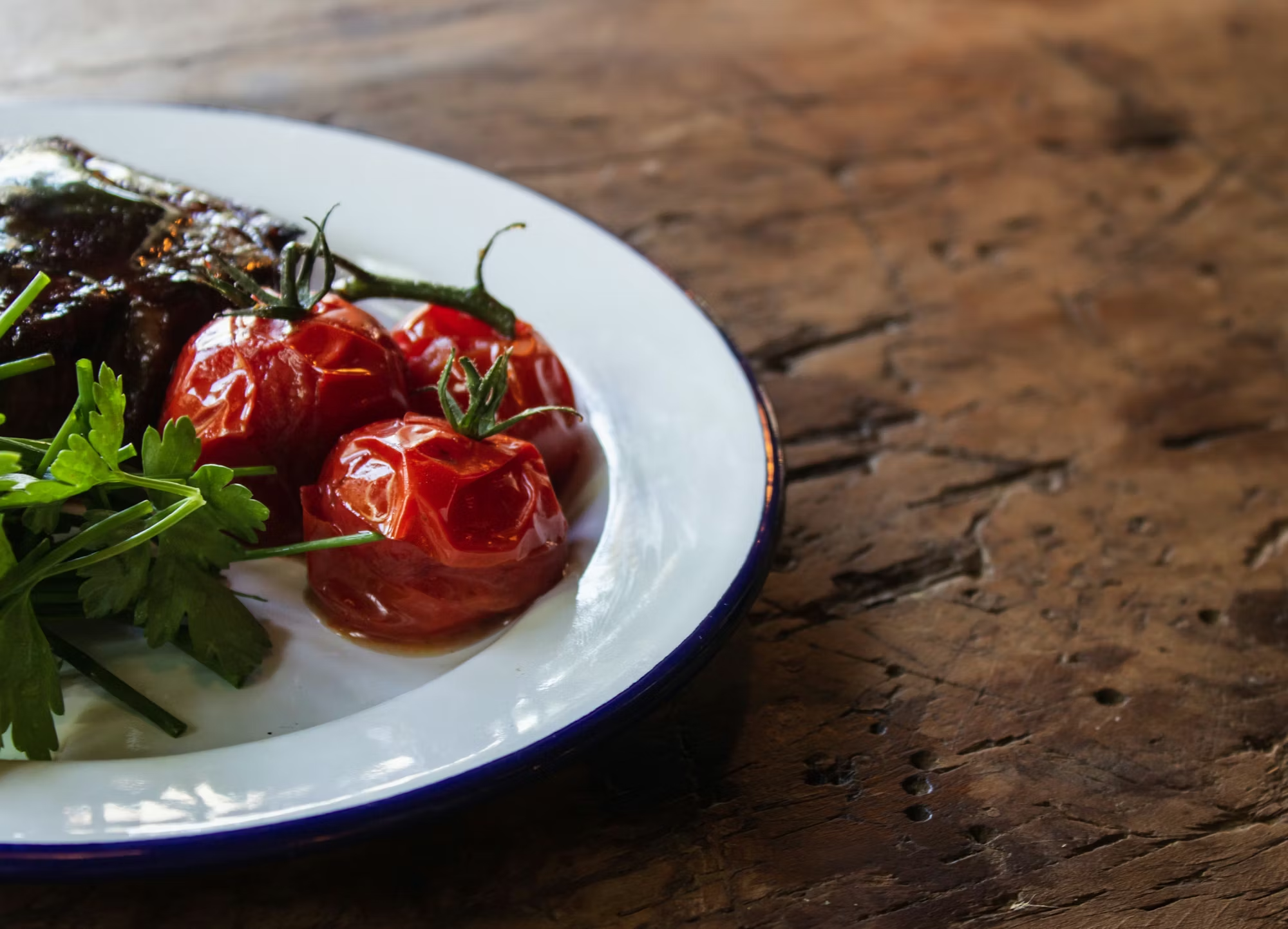
Exploring the Art of Burger Crafting: From Patty to Plate

Burgers are a beloved staple in many cuisines around the world, celebrated for their versatility and the endless possibilities they offer for customization. While a classic hamburger may be straightforward, the art of burger crafting extends far beyond a simple patty in a bun. This article explores the techniques, ingredients, and creative ideas that elevate burger making to an art form, ensuring that each bite is both satisfying and memorable.

The Perfect Patty: The Foundation of Flavor

At the heart of every great burger is the patty. Crafting the perfect patty requires attention to detail, starting with the choice of meat. Ground beef is the most popular choice, but a variety of meats can be used to create unique flavors. When selecting ground beef, aim for a meat with an 80/20 lean-to-fat ratio. This balance ensures that the patty remains juicy and flavorful when cooked.

For those looking to explore beyond beef, options like ground turkey, chicken, lamb, or even plant-based alternatives such as black beans or lentils can create delicious results. Each type of meat brings its own distinct flavor and texture, allowing for an array of burger experiences.

Once you’ve chosen your meat, seasoning is key. A simple mix of salt and pepper enhances the natural flavor of the meat, but additional spices and herbs can elevate your patty. For instance, adding minced garlic or onion powder can introduce a subtle depth, while fresh herbs like parsley or cilantro can provide brightness.

Shaping and Cooking Techniques

The way you shape and cook your patties can significantly affect the final product. When forming the patties, keep them slightly thicker in the center than at the edges. This allows for even cooking and prevents the patties from puffing up during grilling. Making a small indentation in the center of each patty can also help maintain an even shape as they cook.

Cooking methods vary widely, with grilling, pan-frying, and broiling being the most common. Grilling is a favorite for its ability to impart a smoky flavor and charred crust. When grilling, preheat the grill and oil the grates to prevent sticking. Cook the patties for about three to four minutes on each side for medium doneness, but adjust based on your preferred level of doneness.

For those who prefer indoor cooking, pan-frying in a cast-iron skillet can yield excellent results. The skillet retains heat well and allows for a beautiful sear. Add a little oil to the pan and cook the patties for a few minutes on each side, flipping them only once to achieve that perfect crust.

The Bun: The Unsung Hero

While the patty takes center stage, the bun is equally important in the burger equation. A great bun complements the flavors of the patty while providing structure and texture. There are many options to choose from:

1. Classic Sesame Seed Bun: A soft and slightly sweet choice that holds up well to juicy patties.
2. Brioche Bun: Rich and buttery, brioche adds a touch of indulgence to any burger.
3. Whole Wheat Bun: For a healthier option, whole wheat buns provide fiber and a nutty flavor.
4. Pretzel Bun: This unique choice offers a chewy texture and a slightly salty flavor, perfect for gourmet burgers.
5. Lettuce Wrap: For a low-carb alternative, using crisp lettuce leaves as a wrap can provide freshness and crunch.

To enhance the flavor and texture of your bun, consider toasting it lightly on the grill or in a pan. This not only adds a bit of crunch but also helps prevent the bun from becoming soggy once the condiments and toppings are added.

Toppings: A World of Possibilities

One of the most exciting aspects of burger crafting is the variety of toppings available. The choice of toppings can dramatically alter the flavor profile of your burger, allowing for endless customization. Here are some classic and creative topping ideas:

1. Cheese: From American and cheddar to blue cheese and goat cheese, the right cheese can enhance the burger’s richness. Melting cheese over the patty during the last minute of cooking can create a delicious gooey layer.
2. Fresh Vegetables: Lettuce, tomato, and onion are staples, but consider adding avocado slices, pickles, or sautéed mushrooms for extra flavor and texture.
3. Fried Egg: Adding a sunny-side-up egg can introduce richness and a beautiful runny yolk that enhances the burger experience.
4. Unique Sauces: Experimenting with different sauces can elevate your burger. Classic condiments like ketchup and mustard are always popular, but adding sriracha, aioli, or homemade barbecue sauce can bring a unique twist.
5. Specialty Ingredients: For gourmet burgers, consider adding caramelized onions, jalapeños, or truffle oil. These ingredients can create complex flavor combinations that tantalize the taste buds.

Regional Inspirations

As burgers have gained popularity worldwide, various regions have developed their own interpretations. Exploring these regional variations can provide inspiration for your burger crafting:

– The Southern BBQ Burger: Topped with smoky barbecue sauce, coleslaw, and crispy onion rings, this burger embodies the flavors of Southern cuisine.
– The Mediterranean Burger: A lamb patty with feta cheese, tzatziki, and roasted red peppers captures the essence of Mediterranean flavors.
– The Japanese Teriyaki Burger: Featuring a teriyaki-glazed patty topped with grilled pineapple and lettuce, this burger offers a sweet and savory experience.
– The Indian-inspired Spiced Chickpea Burger: A flavorful chickpea patty seasoned with curry spices and served with cucumber raita for a refreshing twist.

These regional inspirations showcase how burgers can be adapted to reflect cultural flavors while remaining universally loved.

Sides and Pairings

No burger experience is complete without delicious sides. Classic options like French fries or onion rings are always crowd-pleasers, but consider adding some unique sides to complement your burger:

1. Sweet Potato Fries: Their natural sweetness and crispiness pair well with savory burgers, adding a flavorful contrast.
2. Coleslaw: A refreshing slaw can provide a crunchy texture and a tangy flavor that balances richer burgers.
3. Grilled Vegetables: Roasted or grilled seasonal vegetables can add a healthy and colorful touch to your meal.
4. Chips and Salsa: For a casual twist, serve tortilla chips with fresh salsa or guacamole for a fun appetizer.

When it comes to beverages, consider pairing your burger with craft beers, refreshing lemonades, or even a well-chosen wine. The right drink can enhance the flavors of the burger and make the meal feel complete.

Conclusion: The Joy of Burger Crafting

Crafting the perfect burger is both an art and a science, allowing for endless creativity and personal expression. From selecting the right ingredients to experimenting with flavors, the process of burger crafting is immensely rewarding. Whether you’re grilling in the backyard or cooking in your kitchen, take the time to explore different techniques, toppings, and flavor combinations.

Ultimately, the joy of burger crafting lies in the shared experience. Gather your friends and family, invite them to customize their burgers, and enjoy a delightful meal together. Celebrate the diversity of flavors and the creativity involved in this culinary adventure, and embrace the burger as a canvas for your culinary imagination.


Beyond the Bun: Exploring the World of Creative Burgers

Burgers have long been a staple in the culinary landscape, celebrated for their simplicity and versatility. However, as food culture continues to evolve, so too does the burger. Chefs and home cooks alike are pushing boundaries, experimenting with flavors, textures, and presentation. This article explores the world of creative burgers, highlighting innovative ingredients, unique cooking methods, and cultural influences that are redefining this beloved dish.

The Rise of the Creative Burger

The traditional burger, consisting of a beef patty, bun, and standard toppings, is now just the starting point. The burger renaissance has sparked a wave of creativity in kitchens around the world. Chefs are redefining the classic burger by introducing unconventional ingredients and techniques that reflect modern tastes and culinary trends.

A Focus on Ingredients

Quality Over Quantity

At the heart of a great burger lies its ingredients, and quality matters more than ever. Gourmet burgers often feature high-quality meats sourced from local farms. Options like grass-fed beef, Wagyu, or even game meats such as venison and bison are increasingly popular. These meats offer unique flavors and textures, elevating the burger experience.

Additionally, plant-based alternatives are gaining traction, appealing to vegetarians and flexitarians alike. Brands like Beyond Meat and Impossible Foods have revolutionized the burger scene, offering patties that closely mimic the taste and texture of meat without the environmental impact. With creative toppings and sauces, these plant-based burgers can hold their own against traditional options.

Unique Buns and Bases

The bun is no longer an afterthought; it plays a crucial role in the overall experience of the burger. Artisanal buns, such as brioche, pretzel, and ciabatta, have become popular choices. These high-quality breads add flavor and texture, making each bite more enjoyable. Moreover, gluten-free and whole grain options cater to health-conscious diners and those with dietary restrictions.

In some creative burgers, the bun has even been replaced with unexpected items, like lettuce wraps or grilled vegetables, offering a lighter alternative without sacrificing flavor.

Innovative Cooking Techniques

Cooking techniques have evolved alongside ingredient choices, leading to exciting new ways to prepare burgers. While grilling remains the classic method, many chefs are now experimenting with techniques like sous vide, which allows for precise temperature control. This method results in incredibly juicy and tender patties, providing a restaurant-quality burger experience at home.

Smoking has also gained popularity, adding depth and complexity to the burger’s flavor profile. By using different types of wood chips, such as hickory, cherry, or mesquite, chefs can infuse their patties with unique smoky notes that enhance the overall taste.

The Toppings Revolution

Creative Combinations

Toppings are where the creativity truly shines. Gone are the days of simply relying on lettuce, tomato, and onion. Gourmet burgers now feature a plethora of exciting options, from pickled jalapeños and avocado to kimchi and fried eggs. The combination of flavors and textures can take a burger from ordinary to extraordinary.

Cheeses are also a key component of the topping experience. While cheddar and American cheese are still popular, chefs are increasingly using specialty cheeses like goat cheese, blue cheese, and smoked gouda. These choices add unique flavors and creaminess, elevating the burger experience.

Sauces: Adding Flavor and Depth

Sauces are another area where innovation thrives. Traditional ketchup and mustard have been joined by a variety of creative condiments that enhance the flavor profile of the burger. Chipotle mayo, garlic aioli, and spicy sriracha sauce are just a few examples of how sauces can add depth and excitement to a burger.

The fusion of international flavors has also made its way into burger toppings. For instance, a burger topped with tzatziki sauce, roasted red peppers, and feta cheese brings Mediterranean flair, while a teriyaki glaze, pineapple, and sesame slaw create a tropical vibe. The possibilities are endless, allowing chefs to express their creativity and cater to diverse palates.

Global Influences in Burger Creation

As food becomes more globalized, the influence of international cuisines is evident in the world of burgers. Chefs are incorporating ingredients and flavors from around the globe, creating unique and exciting fusion burgers.

– Asian-Inspired Burgers: Burgers that feature teriyaki sauce, kimchi, and pickled ginger offer a delightful blend of sweet and savory notes. The addition of crispy wontons or seaweed salad can provide an exciting crunch.
– Mediterranean Flavors: Incorporating lamb patties, tzatziki sauce, and fresh herbs like mint or dill creates a burger that transports diners to the Mediterranean coast.
– Latin American Touch: A burger topped with guacamole, pico de gallo, and jalapeños adds a vibrant and spicy kick, showcasing the bold flavors of Latin cuisine.

These global influences not only introduce new flavors but also encourage culinary exploration, inviting diners to experience the world through their taste buds.

The Importance of Presentation

In the realm of gourmet dining, presentation is key. A well-presented burger not only enhances the dining experience but also entices diners visually. Chefs take great care in arranging burgers to showcase their colorful toppings and carefully crafted components.

Garnishes such as microgreens, edible flowers, or fresh herbs can elevate the visual appeal of the dish, while unique serving styles—like wooden boards or slate plates—create an engaging dining experience. Thoughtful presentation invites diners to appreciate the artistry behind the dish and enhances their overall enjoyment.

Pairing Burgers with Beverages

To complement the creative burger experience, pairing the right beverage is essential. Craft beers, wines, and artisanal sodas can enhance the flavors of the burger and provide a well-rounded meal. A hoppy IPA might pair beautifully with a rich beef burger, while a light lager can refresh the palate with chicken or turkey options.

For wine lovers, a bold red wine can complement the richness of the meat, while a crisp white or rosé can provide a delightful contrast with lighter burgers. Non-alcoholic options, such as unique craft sodas or homemade iced teas, can also enhance the experience without overshadowing the flavors of the burger.

Conclusion: The Endless Possibilities

The world of creative burgers is a testament to the culinary innovation happening today. With a focus on high-quality ingredients, innovative cooking techniques, and exciting flavor combinations, burgers have evolved into a canvas for culinary expression. As chefs and home cooks continue to explore new ingredients and techniques, the possibilities for creating unique and delicious burgers are limitless.

Whether dining at a trendy restaurant or crafting a masterpiece at home, the joy of exploring flavors and experimenting with ingredients makes the journey of creating a burger an exciting one. So, gather your favorite toppings, fire up the grill, and embark on your own burger adventure, celebrating the creativity and passion that make this dish a true classic.

Innovative Juice Trends: From Cold Pressing to Superfood Infusions

The juice industry, long dominated by traditional fruit and vegetable beverages, is now undergoing a revolution. As consumers become more health-conscious and seek out beverages that align with their values, new trends and innovations in the juice market are rapidly emerging. From cold-pressed juices to superfood infusions, today’s juices are no longer just a simple thirst quencher—they’re functional, nutrient-packed, and often designed to cater to specific health goals.

In this article, we explore the innovative juice trends that are making waves in the industry. We’ll take a look at the rise of cold-pressed juices, the growing popularity of superfood-infused drinks, and the increasing demand for plant-based and functional beverages. As these trends evolve, they not only redefine the way we think about juice but also contribute to a broader cultural shift toward healthier living.

The Cold-Pressed Juice Revolution: A Healthier Way to Drink

Cold-pressing is one of the most significant developments in the juice industry over the last decade. Unlike traditional juicing methods, which involve centrifugal force to extract juice, cold-pressing uses a hydraulic press to slowly extract juice from fruits and vegetables. This method preserves more of the natural vitamins, enzymes, and antioxidants, providing a nutrient-dense beverage that is rich in flavor and health benefits.

Cold-pressed juices have gained popularity for several reasons. One of the key advantages of this method is that it helps retain the integrity of the ingredients. Heat and oxidation from traditional juicing methods can destroy certain nutrients, especially delicate ones like vitamin C and enzymes. Cold-pressing, on the other hand, minimizes this loss, resulting in juices that are packed with nutrients.

In addition to the nutritional benefits, cold-pressed juices are known for their smoother, more vibrant taste. The slower extraction process ensures that the natural flavors of the fruits and vegetables are preserved, giving the juice a richer and more concentrated flavor profile. For many health-conscious consumers, this is an important selling point.

Popular cold-pressed juice blends include combinations like green juices with kale, spinach, and cucumber, citrus juices with lemon, lime, and orange, and tropical blends with mango, pineapple, and passion fruit. These juices are often seen as a way to detoxify the body and boost energy levels, which makes them especially popular among individuals looking for a healthy, refreshing alternative to sugary drinks.

Superfood-Infused Juices: Boosting Health with Every Sip

Superfoods have become a buzzword in the wellness world, and for good reason. These nutrient-dense foods—like acai, chia seeds, spirulina, and turmeric—are packed with vitamins, minerals, antioxidants, and other compounds that provide a range of health benefits. As consumers increasingly turn to superfoods for their wellness routines, juice manufacturers have found ways to infuse their beverages with these powerful ingredients.

Superfood-infused juices have emerged as a way to deliver concentrated doses of essential nutrients in a convenient, drinkable form. These juices not only offer the natural sweetness and hydration of fruits but also provide added benefits from the inclusion of ingredients known for their health-boosting properties.

For example, acai berry juice is often blended with other tropical fruits like mango or pineapple to create a delicious, antioxidant-rich drink that supports skin health and boosts energy. Similarly, turmeric and ginger are frequently added to juices for their anti-inflammatory and digestive benefits. Spirulina, a blue-green algae, is another superfood commonly used in juices for its high protein content and ability to support immune function.

The demand for superfood-infused juices is driven by a growing desire among consumers to get more out of their beverages. People are no longer just looking for something to quench their thirst—they want drinks that offer functional benefits, like improved digestion, better skin, and increased energy. As a result, juice companies are responding with innovative blends that combine the best of both worlds: great taste and a potent nutritional punch.

Plant-Based Juices: Catering to Changing Lifestyles

Another major trend in the juice industry is the shift toward plant-based ingredients. As more people adopt vegan, vegetarian, or flexitarian diets, the demand for plant-based juices has skyrocketed. These juices are made entirely from fruits, vegetables, and plant-derived ingredients, with no dairy or animal products involved. This aligns with the values of health-conscious and environmentally aware consumers who are looking for sustainable and cruelty-free products.

Plant-based juices are seen as a healthier alternative to traditional juices, especially those that contain artificial additives, preservatives, or refined sugars. Many plant-based juice blends feature a combination of fruits like oranges, pineapples, and apples, along with vegetables like kale, spinach, and celery. These juices are often high in fiber, which promotes digestive health, and packed with essential vitamins and minerals like vitamin C, potassium, and folate.

A popular plant-based juice trend is the use of coconut water, which is a natural electrolyte-rich liquid that hydrates the body while providing a subtle, refreshing flavor. Coconut water is often added to juices to replace sugary liquids or artificial sweeteners, making the final product both hydrating and healthy.

As the popularity of plant-based diets continues to grow, plant-based juices are becoming an integral part of people’s daily routines. Juice companies are responding to this demand by offering more diverse plant-based options, including functional beverages that incorporate plant proteins, adaptogens, and other plant-derived ingredients.

Functional Juices: Drinks with a Purpose

Functional beverages have become increasingly popular, and juices are no exception. These drinks are designed to provide specific health benefits beyond basic hydration and nutrition. For example, some functional juices are designed to improve digestion, support brain function, or boost immunity. They are often formulated with added ingredients like probiotics, adaptogens, and herbs, each of which offers specific benefits.

One of the key drivers of the functional juice trend is the growing consumer interest in wellness. More people are looking for drinks that not only taste good but also provide tangible health benefits. Functional juices are often marketed as part of a wellness routine or a way to address specific health concerns.

Popular functional juice ingredients include probiotics, which support gut health, and adaptogens like ashwagandha and rhodiola, which help the body adapt to stress. Other functional ingredients might include collagen for skin health, chlorophyll for detoxification, or matcha for an energy boost. By combining these ingredients with fresh fruit and vegetable juices, companies are able to create beverages that not only taste great but also support specific health goals.

For example, a juice containing kombucha (fermented tea rich in probiotics) might be marketed as a gut-health beverage, while a juice blend with ginger and turmeric could be promoted for its anti-inflammatory properties. These functional juices have gained a strong following among consumers who are more conscious of what they put into their bodies and want their drinks to do more than just hydrate.

The Future of Juice: Innovation and Sustainability

The future of the juice industry looks bright as innovation continues to drive the market forward. New juicing techniques, such as cold-pressing, are enabling companies to create healthier, more nutrient-dense beverages. Meanwhile, the rise of plant-based and superfood-infused juices reflects the increasing consumer demand for functional drinks that offer more than just hydration.

Sustainability is also playing a key role in shaping the future of juice. As consumers become more aware of the environmental impact of their purchases, many juice brands are focusing on sustainable sourcing and eco-friendly packaging. The use of organic fruits and vegetables, locally sourced ingredients, and recyclable or biodegradable packaging is becoming increasingly common in the juice industry.

As the market for innovative, functional, and sustainable juices continues to grow, we can expect to see more exciting trends and new ingredients emerge. Whether it’s through the addition of new superfoods, the exploration of new juicing technologies, or the creation of juices that address specific health needs, the juice industry is evolving to meet the changing tastes and values of consumers.

Conclusion

From cold-pressed juices to superfood infusions and plant-based blends, the juice industry is in the midst of an exciting transformation. As consumers seek out beverages that are not only delicious but also functional and nutritious, juice brands are responding with innovative options that cater to a variety of health goals and lifestyle preferences. With trends like these on the rise, it’s clear that the future of juice is both flavorful and full of possibilities.

Culinary Traditions: A Journey Through Global Cuisines

Food is more than sustenance; it is a vibrant expression of culture, history, and community. Across the globe, each cuisine tells a story, reflecting the land, climate, and traditions of its people. From the aromatic spices of Indian curries to the fresh ingredients of Mediterranean dishes, the diversity in culinary traditions offers an exciting journey for anyone eager to explore the world through food. This article delves into some of the most prominent global cuisines, their signature dishes, and the cultural significance behind them.

1. Italian Cuisine: A Symphony of Flavors
Italian cuisine is celebrated for its simplicity, quality ingredients, and regional diversity. It is characterized by its use of fresh produce, meats, and cheeses, often paired with pasta, bread, and olive oil. Classic dishes such as pasta carbonara, risotto, and pizza are beloved worldwide. The regional variations are vast; for example, Northern Italy is known for its creamy sauces and polenta, while Southern Italy features tomato-based sauces and seafood.

The cultural significance of Italian cuisine is deeply rooted in family and tradition. Meals are often communal gatherings, emphasizing the importance of togetherness. The Italian philosophy of ‘la dolce vita’ encapsulates the joy of life, where food plays a central role in celebration and everyday living. The country’s rich culinary heritage is also reflected in its wine production, with regions like Tuscany and Piedmont producing some of the finest wines in the world.

2. Mexican Cuisine: A Fusion of Ingredients
Mexican cuisine is a colorful tapestry of indigenous ingredients and culinary techniques, combined with influences from Spanish colonization. Staples like corn, beans, and chili peppers form the foundation of many dishes. Tacos, enchiladas, and mole are just a few examples of the vibrant flavors and textures that define this cuisine.

A unique aspect of Mexican food is the emphasis on fresh ingredients and traditional methods. Many dishes are prepared using techniques passed down through generations, such as nixtamalization (the process of treating corn with lime) for tortillas. Additionally, Mexican cuisine is closely tied to cultural celebrations, with dishes often prepared for festivals and family gatherings, showcasing the importance of food in cultural identity.

3. Japanese Cuisine: Artistry and Precision
Japanese cuisine is renowned for its aesthetic presentation and meticulous preparation methods. With a focus on seasonality and quality ingredients, dishes such as sushi, sashimi, and ramen highlight the natural flavors of the ingredients. Techniques like umami (the fifth taste) are essential to Japanese cooking, adding depth and complexity to flavors.

Culinary traditions in Japan are steeped in ritual, often reflecting the harmony between nature and food. The tea ceremony, for example, emphasizes mindfulness and respect for the ingredients used. Japanese cuisine also celebrates the concept of ‘kawaii’ (cuteness), where the visual appeal of food is just as important as its taste, making dining a multisensory experience.

4. Indian Cuisine: A Symphony of Spices
Indian cuisine is famous for its bold flavors and extensive use of spices. Each region boasts its own specialties, with dishes like biryani, curry, and dosa highlighting the diversity of ingredients and cooking methods. Spices such as cumin, coriander, turmeric, and cardamom are staples in Indian kitchens, contributing to the rich and aromatic profiles of the dishes.

The cultural significance of food in India is profound, with meals often symbolizing hospitality and connection. Festivals and celebrations are marked by the preparation of special dishes, and the sharing of food is seen as an act of love. Vegetarianism is also prominent in Indian culture, influenced by religious beliefs and a respect for living beings, which further enriches the diversity of the cuisine.

5. Mediterranean Cuisine: Fresh and Wholesome
Mediterranean cuisine is celebrated for its emphasis on fresh, healthy ingredients, with a focus on fruits, vegetables, whole grains, and lean proteins. Countries like Greece, Italy, and Turkey offer a variety of dishes that are both nutritious and flavorful. Staples include olive oil, legumes, fish, and an abundance of herbs and spices.

The Mediterranean diet is often hailed for its health benefits, with research suggesting that it promotes heart health and longevity. Cultural practices surrounding food in this region also emphasize communal meals, where family and friends gather to enjoy a leisurely dining experience. Dishes such as mezze (small plates) encourage sharing and exploration of flavors, fostering a sense of community and connection.

6. Middle Eastern Cuisine: A Rich Tapestry of Flavors
Middle Eastern cuisine is a melting pot of flavors, ingredients, and traditions from countries such as Lebanon, Syria, and Iran. Known for its vibrant use of spices, herbs, and fresh ingredients, dishes like hummus, falafel, and kebabs are staples that have gained international popularity. Rice, bread, and legumes are foundational components of many meals, often accompanied by a variety of dips and salads.

The cultural significance of food in the Middle East is profound, with meals often seen as a means of expressing hospitality and generosity. Traditional meals are elaborate affairs, bringing together family and friends to share in the joy of food. The act of breaking bread together symbolizes unity and connection, reinforcing the importance of community in Middle Eastern culture.

7. Culinary Influences and Fusions
In today’s globalized world, culinary boundaries are increasingly blurred as cultures interact and share their food traditions. Fusion cuisine has emerged, blending elements from different culinary backgrounds to create innovative dishes that celebrate diversity. For example, Korean tacos combine the bold flavors of Korean barbecue with the beloved Mexican taco, resulting in a delicious and unique culinary experience.

The rise of food trucks and international restaurants has made it easier for people to explore global cuisines in their own communities. Chefs and home cooks alike are inspired to experiment with new ingredients and techniques, fostering a culture of creativity in the kitchen. Food festivals and cultural events further promote the appreciation of diverse culinary traditions, encouraging people to learn about and celebrate the food of different cultures.

In conclusion, exploring global cuisines offers a delightful journey through flavors, traditions, and cultures. Each cuisine tells a story that connects us to the land and its people, celebrating the rich diversity of the world. Whether you are savoring a bowl of pasta in Italy, sharing mezze in the Middle East, or enjoying a fragrant curry in India, food has the power to unite us across borders and create lasting memories. Embrace the culinary traditions of the world, and let each dish be an invitation to discover the stories behind the flavors.

Exploring the World of Gourmet Sauces: Elevate Your Cooking

Sauces are the unsung heroes of the culinary world, adding flavor, moisture, and visual appeal to a wide range of dishes. From the simplest vinaigrette to complex reductions, sauces have the power to transform a meal, making them a fundamental element in cooking. This article explores the world of gourmet sauces, their history, types, and tips for incorporating them into your cooking repertoire.

The History of Sauces

The art of sauce-making dates back centuries, with roots in ancient culinary traditions. Early sauces were primarily used to mask the taste of preserved foods, but as cooking techniques evolved, sauces became more sophisticated. The French revolutionized sauce-making in the 19th century, classifying sauces into categories that are still relevant today. The five mother sauces—béchamel, velouté, espagnole, hollandaise, and tomato—serve as the foundation for countless variations, showcasing the creativity and depth that sauces can offer.

Types of Sauces

Sauces can be broadly categorized into several types, each with unique characteristics and applications:

1. Mother Sauces: These are the base sauces from which many derivative sauces are created. Each mother sauce serves as a starting point for various flavors and textures:
– Béchamel: A creamy white sauce made from milk and a roux (butter and flour). It’s the base for cheese sauces and creamy pasta dishes.
– Velouté: A light stock-based sauce thickened with a roux. It forms the base for sauces like sauce suprême and sauce allemande.
– Espagnole: Also known as brown sauce, it’s made from brown stock and a brown roux, often enriched with tomatoes and mirepoix. It’s the base for demi-glace.
– Hollandaise: An emulsion of egg yolks, butter, and lemon juice, this sauce is known for its rich, buttery flavor. It’s famously used in Eggs Benedict.
– Tomato Sauce: A staple in many cuisines, it’s made from tomatoes, vegetables, and seasonings, serving as the base for pasta dishes and more.

2. Emulsified Sauces: These sauces are created by combining two ingredients that typically don’t mix, such as oil and water. Classic examples include:
– Mayonnaise: An emulsified sauce made from egg yolks, oil, and vinegar or lemon juice. It can be flavored in various ways for dressings or dips.
– Aioli: A Mediterranean sauce made by emulsifying garlic and olive oil, often enhanced with lemon juice or egg yolks.

3. Reduction Sauces: These sauces are made by simmering liquids to concentrate flavors and thicken the consistency. Popular reduction sauces include:
– Balsamic Reduction: Made by simmering balsamic vinegar until it thickens, this sauce adds a sweet and tangy flavor to dishes.
– Wine Reduction: Typically made by reducing wine with shallots, herbs, and butter, this sauce complements meats and seafood beautifully.

4. Fruit and Herb Sauces: These sauces use fresh or cooked fruits and herbs to create vibrant flavors. Some examples include:
– Chimichurri: An Argentinian sauce made with parsley, garlic, vinegar, and oil, often served with grilled meats.
– Fruit Coulis: A pureed fruit sauce, often made from berries, used to drizzle over desserts or as a flavor enhancer in savory dishes.

Incorporating Sauces into Your Cooking

Mastering sauces is essential for any home cook looking to elevate their dishes. Here are some tips for incorporating gourmet sauces into your culinary creations:

1. Pairing Sauces with Dishes: Understanding flavor profiles is key to successful sauce pairing. For instance, a rich béchamel sauce works wonderfully with pasta, while a zesty chimichurri complements grilled meats. Experiment with different combinations to discover your favorites.

2. Balancing Flavors: A great sauce enhances a dish without overpowering it. Aim for a balance of flavors—sweet, salty, acidic, and umami—to create a harmonious dish. For example, a splash of lemon juice can brighten a heavy cream sauce, while a hint of sweetness can balance a spicy sauce.

3. Using Sauces as Marinades: Many sauces can double as marinades, infusing meats and vegetables with flavor before cooking. Consider using a soy sauce-based marinade for stir-fries or a yogurt-based marinade for chicken, which tenderizes the meat and adds depth.

4. Presentation Matters: A well-placed drizzle of sauce can elevate the presentation of a dish. Use a squeeze bottle or spoon to create artistic patterns on the plate, adding a visual element that complements the meal.

Homemade Sauce Recipes

To inspire your culinary adventures, here are two easy and delicious gourmet sauce recipes to try at home:

Classic Vinaigrette
Ingredients:
– 1/4 cup balsamic vinegar
– 3/4 cup olive oil
– 1 teaspoon Dijon mustard
– Salt and pepper to taste

Instructions:
1. In a bowl, whisk together the balsamic vinegar, Dijon mustard, salt, and pepper.
2. Slowly drizzle in the olive oil while whisking continuously until the mixture is emulsified.
3. Taste and adjust seasoning as necessary. Use it as a dressing for salads or drizzled over roasted vegetables.

Simple Tomato Sauce
Ingredients:
– 2 tablespoons olive oil
– 1 small onion, diced
– 2 garlic cloves, minced
– 1 can (28 oz) crushed tomatoes
– Salt and pepper to taste
– Fresh basil leaves (optional)

Instructions:
1. In a saucepan, heat olive oil over medium heat. Add the diced onion and sauté until translucent.
2. Add minced garlic and cook for an additional minute, being careful not to burn it.
3. Stir in the crushed tomatoes, salt, and pepper. Simmer for 20-30 minutes, allowing the flavors to meld.
4. If desired, stir in fresh basil before serving over pasta or as a base for pizza.

Conclusion

Gourmet sauces are a versatile and essential aspect of cooking that can elevate any dish. By understanding the various types of sauces, mastering essential techniques, and experimenting with flavors, you can enhance your culinary skills and impress your guests. With a few simple recipes and the right approach, the world of sauces is yours to explore, turning everyday meals into extraordinary experiences. So grab your ingredients and start experimenting—your taste buds will thank you!

A Journey Through Global Cuisines: Celebrating Diversity on Our Plates

Food is not just sustenance; it is a celebration of culture, history, and community. Each cuisine around the world tells a story, reflecting the traditions, ingredients, and cooking methods of its people. In this article, we will embark on a journey through various global cuisines, highlighting their unique characteristics, common ingredients, and the cultural significance that shapes our dining experiences.

To begin, let’s explore the vibrant flavors of Mexican cuisine. Known for its bold and diverse flavors, Mexican food combines indigenous ingredients with Spanish influences. Staples like corn, beans, and chili peppers are foundational, forming the base for iconic dishes such as tacos, enchiladas, and tamales. The use of fresh herbs like cilantro and spices like cumin adds depth to these dishes. Mexican cuisine is not just about the food; it also embodies a rich tradition of communal dining, often centered around family gatherings and celebrations.

Moving north, we encounter the comforting warmth of American cuisine, which reflects the melting pot of cultures that make up the United States. From soul food in the South to the seafood dishes of New England, American cuisine varies widely by region. Classic dishes like fried chicken, barbecued ribs, and clam chowder highlight the diverse ingredients available in different parts of the country. Furthermore, the rise of food trucks and fusion cuisine has introduced innovative flavors and cooking techniques, allowing for creative culinary expression.

Next, we travel across the Atlantic to savor the sophisticated flavors of French cuisine. Renowned for its culinary techniques, France has greatly influenced global cooking practices. French cuisine emphasizes quality ingredients and meticulous preparation methods. Dishes like coq au vin, ratatouille, and crème brûlée showcase the art of balancing flavors and textures. Additionally, the French concept of “terroir” underscores the importance of regional ingredients, encouraging the use of local produce and wines that enhance the dining experience.

As we delve into Italian cuisine, we find a celebration of simplicity and freshness. Italian cooking is characterized by its use of high-quality ingredients, such as olive oil, fresh herbs, and ripe tomatoes. Dishes like pasta, risotto, and pizza are often prepared with a focus on seasonal ingredients, highlighting the flavors of each region. Italian meals are typically enjoyed with family and friends, emphasizing the importance of community and connection over food. This emphasis on togetherness is reflected in the Italian tradition of la dolce vita, or the sweet life, where food plays a central role in enjoying life’s pleasures.

Turning to Asia, we explore the rich and diverse culinary traditions that span the continent. From the bold flavors of Thai cuisine to the delicate dishes of Japanese cuisine, Asian food offers a multitude of experiences. Thai cooking is known for its vibrant use of fresh herbs and spices, creating dishes that balance sweet, sour, spicy, and salty flavors. Meanwhile, Japanese cuisine emphasizes harmony and presentation, showcasing seasonal ingredients through sushi, sashimi, and kaiseki dining. Both cuisines reflect the cultural values of their regions, celebrating the connection between food, nature, and tradition.

In the Middle East, the cuisine is a tapestry of flavors that reflects the history and culture of the region. Ingredients like olive oil, garlic, and spices such as cumin and coriander are staples in dishes like hummus, falafel, and kebabs. Middle Eastern meals often emphasize hospitality and sharing, with family-style dining encouraging communal enjoyment of food. Traditional practices, such as the use of aromatic spices in cooking, highlight the deep-rooted cultural significance of flavor and aroma in the culinary experience.

As we journey through these global cuisines, it’s important to recognize the role of culinary traditions in shaping cultural identities. Food often acts as a means of preserving heritage, as recipes are passed down through generations. Festivals and celebrations often revolve around traditional dishes, reinforcing cultural bonds and community spirit. Whether it’s celebrating Diwali with sweets in India or enjoying a Thanksgiving feast in the United States, food plays a central role in marking significant moments in our lives.

The globalization of food has also led to increased accessibility and appreciation of various cuisines. Today, it is common to find sushi bars, taco trucks, and Italian trattorias in cities around the world. This exchange of culinary practices fosters cultural understanding and allows for innovative fusion dishes that combine elements from different traditions. For example, Korean BBQ tacos reflect the blending of flavors and cooking techniques, showcasing the beauty of culinary diversity.

Social media has played a significant role in the popularity of global cuisines. Platforms like Instagram and TikTok allow food lovers to share their culinary creations, discover new recipes, and connect with others who share their passion for food. This digital community encourages experimentation and exploration of different cuisines, inspiring individuals to step outside their culinary comfort zones and try new dishes.

As we embrace the diversity of global cuisines, we must also consider the importance of sustainability and ethical eating practices. Many chefs and home cooks are increasingly focused on sourcing local ingredients and reducing food waste, recognizing the impact of food production on the environment. By choosing seasonal and sustainably sourced ingredients, individuals can contribute to a more sustainable food system while also supporting local farmers and communities.

In conclusion, the journey through global cuisines highlights the rich tapestry of flavors, traditions, and cultural significance that food embodies. Each cuisine offers a unique perspective on the art of cooking and the importance of community, connection, and heritage. As we celebrate the diversity of flavors on our plates, we also foster a greater appreciation for the stories and cultures that shape our culinary experiences. Embracing this culinary diversity not only enriches our palates but also broadens our understanding of the world around us, allowing us to connect with others through the universal language of food.

Culinary Adventures: Discovering the Flavors of World Cuisine

Food is a universal language that transcends borders, bringing people together through shared experiences and flavors. The world is a vast tapestry of culinary traditions, each with its unique ingredients, techniques, and stories. This article embarks on a delicious journey to explore various world cuisines, their iconic dishes, and the cultural significance that underpins them.

A Taste of Tradition: Exploring Global Cuisines
From the aromatic spices of Indian curries to the comforting simplicity of Italian pasta, every cuisine offers something special. Let’s delve into a few prominent cuisines around the world and uncover their culinary treasures.

1. Italian Cuisine: A Celebration of Fresh Ingredients
Italian cuisine is celebrated for its emphasis on fresh, high-quality ingredients and simple preparation methods. The Mediterranean climate provides a bounty of fruits, vegetables, and herbs, which are the backbone of many dishes.

– Pasta: Perhaps the most iconic Italian dish, pasta comes in various shapes and sizes, each suited for different sauces. Dishes like spaghetti carbonara, made with eggs, cheese, pancetta, and pepper, exemplify the beauty of simplicity.
– Pizza: Originating from Naples, pizza has become a global favorite. The classic Margherita pizza, with its tomato sauce, fresh mozzarella, and basil, showcases the balance of flavors that Italian cuisine embodies.
– Risotto: This creamy rice dish is often flavored with saffron, mushrooms, or seafood. The slow cooking method allows the rice to absorb flavors, resulting in a rich and comforting dish.

2. Indian Cuisine: A Symphony of Spices
Indian cuisine is renowned for its vibrant flavors and diverse regional dishes, influenced by history, geography, and cultural practices. Spices play a crucial role, each contributing unique flavors and health benefits.

– Curry: One of the most recognizable aspects of Indian cuisine, curry can range from mild to intensely spicy. Dishes like butter chicken and palak paneer highlight the versatility of this cooking style, often accompanied by rice or naan.
– Biryani: This fragrant rice dish, layered with marinated meat and spices, is a festive favorite. Originating from Persian influences, biryani has regional variations, each with its distinct twist.
– Street Food: Indian street food, such as pani puri and samosas, reflects the country’s bustling culinary culture. These snacks are packed with flavor and often enjoyed as a social experience.

3. Japanese Cuisine: A Balance of Aesthetics and Flavor
Japanese cuisine, or washoku, is deeply rooted in tradition and emphasizes seasonality and presentation. The focus on fresh, high-quality ingredients makes each dish a work of art.

– Sushi: A globally recognized dish, sushi showcases the freshness of seafood, often paired with vinegared rice. Varieties like nigiri and maki offer a delightful range of textures and flavors.
– Ramen: This beloved noodle soup has become a cultural phenomenon, with countless regional styles across Japan. Each bowl typically features a rich broth, noodles, and various toppings, creating a hearty meal.
– Tea Ceremony: Beyond food, Japanese culture values the tea ceremony, which emphasizes the beauty of simplicity and mindfulness, often enjoyed with traditional sweets.

Cooking Techniques Across Cultures
While ingredients and dishes vary widely, cooking techniques also play a significant role in defining a cuisine. Understanding these methods can enhance your culinary skills and appreciation for global flavors.

1. Grilling and Barbecuing
Grilling is a cherished cooking method in many cultures, from American barbecues to Korean bulgogi. The process of cooking over an open flame imparts a smoky flavor and creates a delightful char, enhancing the overall taste of meats and vegetables.

2. Steaming
Steaming is a gentle cooking method prevalent in Asian cuisines, particularly for dumplings and seafood. This technique retains nutrients and flavors, making dishes both healthy and delicious.

3. Braising
Braising involves slow-cooking meat in a small amount of liquid, resulting in tender, flavorful dishes. This technique is commonly used in French cuisine for dishes like coq au vin and in Asian cuisine for recipes like red-cooked pork.

The Cultural Significance of Food
Food is not just about sustenance; it holds immense cultural significance. In many societies, meals are a way to connect with family and friends, celebrate traditions, and honor heritage.

1. Festivals and Celebrations
Many cultures have specific dishes associated with festivals. For instance, during Diwali, Indian families prepare sweets and snacks to celebrate the Festival of Lights. In Mexico, tamales are a traditional dish during Christmas, showcasing the importance of food in cultural celebrations.

2. Family Traditions
Family recipes often carry stories and memories, passed down through generations. These dishes reflect the history and values of a family, creating a sense of belonging and continuity.

3. Food as Identity
For many, cuisine is a significant part of their identity. Immigrants often preserve their culinary traditions, sharing their heritage with new communities while also adapting to local ingredients and flavors, creating a rich fusion of tastes.

Bringing World Flavors to Your Kitchen
Exploring world cuisine doesn’t require a plane ticket; you can embark on a culinary journey from your own kitchen. Here are some tips to bring global flavors to your cooking:

1. Experiment with Ingredients
Visit local markets or specialty stores to discover new spices, herbs, and ingredients from different cuisines. Incorporating these into your dishes can add depth and authenticity to your meals.

2. Try New Recipes
Challenge yourself by trying recipes from various cultures. Cooking unfamiliar dishes expands your culinary skills and allows you to explore different flavor profiles.

3. Share the Experience
Cooking is often more enjoyable when shared. Invite friends or family to join you in trying new recipes, fostering a sense of community and connection through food.

Conclusion: A World of Flavor Awaits
The world of cuisine is a vibrant and diverse landscape, filled with flavors, traditions, and stories waiting to be explored. Whether savoring a comforting bowl of pasta, enjoying the intricate spices of a curry, or mastering the art of sushi, each culinary experience offers a glimpse into the culture from which it originates. By embracing the richness of global cuisines and sharing these experiences with others, you can create lasting memories and connections through the simple act of cooking and enjoying food together.

Exploring the Vibrant World of Thai Cuisine

Thai cuisine is a vibrant tapestry of flavors, colors, and textures that reflects the rich cultural heritage of Thailand. With its unique balance of sweet, sour, salty, and spicy elements, Thai food offers a sensory experience that delights the palate and warms the heart. This article explores the essential ingredients, iconic dishes, regional variations, and cultural significance of Thai cuisine, revealing why it has garnered global admiration.

The Foundations of Thai Cuisine

At the heart of Thai cooking lies a deep respect for fresh ingredients and traditional cooking methods. The Thai culinary philosophy emphasizes the use of fresh herbs, vegetables, and spices, each carefully selected to create harmonious flavors. Common ingredients include rice, fish sauce, shrimp paste, coconut milk, and a variety of fresh herbs such as basil, cilantro, and lemongrass. The integration of these elements allows for the signature balance of flavors that Thai cuisine is known for.

Essential Ingredients

1. Rice: A staple in Thai meals, jasmine rice is particularly popular for its fragrant aroma and fluffy texture. It serves as a base for many dishes and is often paired with curries and stir-fries.

2. Fish Sauce: Known as nam pla, this pungent sauce is a key seasoning in Thai cooking, providing depth and umami to dishes. It’s often used in marinades, dipping sauces, and salad dressings.

3. Coconut Milk: Creamy and rich, coconut milk is used in many curries and soups, lending a delightful sweetness that balances the heat of spices.

4. Herbs and Spices: Fresh herbs like Thai basil, mint, and cilantro add brightness, while spices such as chili peppers, galangal, and turmeric contribute to the complexity of flavors.

5. Tamarind: This sour fruit adds a tangy element to many Thai dishes, enhancing the overall flavor profile and providing balance to rich ingredients.

The Importance of Balance

A cornerstone of Thai cuisine is the concept of balance. The combination of flavors—sweet, sour, salty, and spicy—creates a harmonious dish that excites the senses. For example, the famous Thai salad som tum combines the heat of green chilies, the sweetness of palm sugar, the tanginess of lime juice, and the saltiness of fish sauce, resulting in a refreshing and well-rounded dish. This balance is not only a culinary principle but also a reflection of Thai culture, which values harmony and unity.

Iconic Thai Dishes

Thai cuisine boasts an impressive array of dishes, each showcasing the unique flavors and ingredients of the region. Here are some iconic dishes that represent the essence of Thai cooking:

Pad Thai

Pad Thai is perhaps the most recognized Thai dish globally. This stir-fried noodle dish combines rice noodles with shrimp or chicken, tofu, bean sprouts, and peanuts, all tossed in a tangy sauce made from tamarind, fish sauce, and sugar. Topped with lime and fresh herbs, Pad Thai exemplifies the balance of flavors that Thai cuisine is known for. It’s often enjoyed as a street food staple, embodying the vibrant culinary scene of Thailand.

Green Curry

Kaeng Khiao Wan, or green curry, is a rich and aromatic dish made with green curry paste, coconut milk, and a variety of vegetables and proteins. The vibrant green color comes from fresh herbs like basil and green chilies, while the sweetness of coconut milk balances the spiciness of the curry. Served with steamed rice, green curry is a comforting dish that showcases the depth of Thai flavors.

Tom Yum Goong

Tom Yum Goong is a hot and sour soup that is iconic in Thai cuisine. Made with shrimp, mushrooms, lemongrass, kaffir lime leaves, and chili paste, this soup delivers a punch of flavors that awaken the senses. The fragrant herbs and spices create a fragrant broth that is both invigorating and satisfying. It is often enjoyed as an appetizer or as part of a larger meal.

Massaman Curry

Massaman curry is a unique Thai dish that reflects influences from Indian and Persian cuisines. This slow-cooked curry features tender meat, potatoes, and peanuts in a rich and mildly spicy sauce made from coconut milk and Massaman curry paste. The combination of spices, such as cinnamon and cardamom, gives this dish its distinctive flavor, making it a beloved choice among both locals and visitors.

Regional Variations

Thailand’s diverse geography and culture have led to regional variations in cuisine, each with its own specialties and cooking styles. Here are a few notable examples:

Northern Thai Cuisine

In Northern Thailand, the cuisine is characterized by its use of herbs and spices, often milder than those found in other regions. Dishes like khao soi, a creamy curry noodle soup topped with crispy noodles, and nam prik ong, a tomato and minced pork dip, showcase the unique flavors of this region. Sticky rice is a staple in Northern Thailand, often served alongside meals.

Northeastern Thai Cuisine

Known as Isaan cuisine, Northeastern Thai food is known for its bold flavors and use of herbs. Dishes like som tum (green papaya salad) and larb (a spicy meat salad) highlight the region’s love for fresh ingredients and zesty flavors. Isaan cuisine often features sticky rice, which is served alongside various grilled meats and spicy salads.

Southern Thai Cuisine

Southern Thai cuisine is famous for its spiciness and the use of coconut milk. Dishes like massaman curry and kaeng som (sour curry) reflect the rich flavors of this region. Seafood is abundant in the South, with dishes featuring fresh fish, shrimp, and crab being staples in coastal areas.

The Cultural Significance of Thai Cuisine

Food is an integral part of Thai culture, with meals often shared among family and friends. The communal aspect of dining emphasizes togetherness and connection, where dishes are placed in the center of the table for everyone to share. This practice fosters a sense of unity and hospitality that is central to Thai culture.

Festivals and Celebrations

Thai cuisine plays a significant role in cultural festivals and celebrations. During holidays such as Songkran (Thai New Year) and Loi Krathong (Festival of Lights), traditional dishes are prepared and enjoyed with family and friends. These occasions often feature elaborate feasts, highlighting the importance of food in bringing people together.

Cooking as a Family Tradition

Cooking in Thailand is often a family affair, with recipes passed down through generations. Many Thai families have their own secret recipes, and children are taught to cook from a young age. This practice not only preserves culinary traditions but also strengthens family bonds, as meals are prepared and enjoyed together.

The Global Appeal of Thai Cuisine

Thai cuisine has gained immense popularity around the world, with Thai restaurants found in nearly every major city. The unique flavors and vibrant presentation of Thai dishes have captured the hearts of food lovers globally. This global appeal can be attributed to several factors:

Accessibility of Ingredients

Many of the essential ingredients used in Thai cooking, such as rice, vegetables, and fish, are widely available, making it easier for home cooks to recreate their favorite dishes. The increasing popularity of Asian markets has also facilitated access to specific Thai ingredients, allowing for authentic preparations at home.

Culinary Fusion

As cultures blend and evolve, Thai cuisine has adapted to incorporate local ingredients and flavors. This fusion has led to innovative dishes that reflect the culinary landscape of different regions. For example, Thai-inspired tacos or pizza showcase the versatility of Thai flavors while appealing to diverse palates.

Cooking Classes and Food Tourism

The rise of food tourism has also contributed to the global popularity of Thai cuisine. Many travelers seek out cooking classes in Thailand to learn the art of Thai cooking firsthand. These experiences not only provide insights into the culinary traditions of the country but also foster a deeper appreciation for the culture and flavors.

Conclusion: A Culinary Adventure Awaits

Thai cuisine is a vibrant and diverse culinary journey that offers something for everyone. With its unique balance of flavors, rich cultural significance, and global appeal, it continues to captivate food enthusiasts worldwide. From the bustling street food stalls of Bangkok to fine dining establishments, Thai food invites you to explore its depth and complexity.

As you embark on your own culinary adventure through the world of Thai cuisine, remember to embrace the balance of flavors, the communal spirit of dining, and the joy of sharing good food with loved ones. Whether you’re savoring a bowl of spicy curry or enjoying a refreshing salad, each bite tells a story of tradition, culture, and the love of cooking.

Café Culture: The Heartbeat of Community Connection

Cafés have evolved beyond mere places to grab a cup of coffee; they are now integral parts of our social fabric, serving as community gathering spots that foster connections and creativity. The café culture embodies a unique blend of atmosphere, interaction, and culinary delight, making these establishments essential in many neighborhoods. This article delves into the various aspects of café culture, exploring how these spaces create a sense of belonging and engagement within communities.

The Role of Cafés in Community Building
At their core, cafés serve as hubs for social interaction. They provide a welcoming environment where individuals can come together to chat, collaborate, or simply enjoy each other’s company. This communal aspect is especially evident in local cafés that prioritize customer engagement. By hosting events such as open mic nights, art exhibitions, or book readings, cafés can strengthen their ties to the community and encourage patrons to participate actively in the café’s culture.

Moreover, cafés often become platforms for local artists, musicians, and writers to showcase their talents. By displaying local artwork or featuring live performances, cafés not only enrich their ambiance but also foster a sense of pride in the community. Patrons are drawn to these events, not just for the entertainment but also for the opportunity to connect with the people behind the art. This connection between artists and the audience creates a supportive environment where creativity flourishes.

Creating a Welcoming Atmosphere
The atmosphere of a café is crucial to its success in attracting and retaining customers. A well-designed café incorporates elements such as comfortable seating, warm lighting, and inviting décor, all of which contribute to a cozy ambiance. These factors play a significant role in encouraging patrons to linger longer, whether they’re working on a project, reading a book, or catching up with friends.

Many cafés also implement thoughtful design choices that reflect their brand and community ethos. For example, a café that prioritizes sustainability might feature eco-friendly furnishings, locally sourced materials, and greenery throughout the space. Such intentional design choices resonate with patrons who value environmental responsibility, further strengthening their connection to the café.

Culinary Delights: More Than Just Coffee
While coffee is undoubtedly the star of any café, the menu plays a vital role in creating a memorable experience. A diverse and thoughtfully curated menu can entice customers and keep them coming back for more. Many cafés offer a range of beverages, from classic coffee drinks to innovative specialty drinks that cater to various tastes.

In addition to drinks, a well-rounded café menu often includes an assortment of food options. Freshly baked pastries, sandwiches, salads, and desserts can complement the beverage selection and encourage patrons to make their visit a full dining experience. Seasonal menus that highlight local ingredients not only support local farmers but also provide patrons with fresh, flavorful options that change throughout the year.

The Importance of Customer Service
Exceptional customer service is a key component of a successful café experience. Friendly, attentive staff can make a significant difference in how patrons perceive a café. Baristas who take the time to engage with customers, remember their names, and offer personalized recommendations foster a welcoming environment that encourages repeat visits.

Training staff to be knowledgeable about the menu, including the various coffee beans, brewing methods, and flavor profiles, enhances the overall customer experience. When baristas can provide insights and recommendations based on patrons’ preferences, it elevates the interaction and makes customers feel valued. A café that prioritizes customer service creates an inviting atmosphere that patrons want to return to.

Community Involvement and Social Responsibility
Cafés often play a pivotal role in their local communities, acting as spaces for social responsibility and engagement. Many establishments partner with local organizations to host events, fundraisers, or initiatives that benefit the community. For instance, a café might collaborate with local charities to raise funds for community projects or provide space for workshops and educational programs.

By actively participating in community initiatives, cafés can strengthen their ties to the neighborhoods they serve. This involvement not only enhances the café’s reputation but also creates a sense of shared purpose among patrons. When customers see their café taking an active role in community improvement, it fosters a deeper connection to the establishment.

Seasonal Themes and Special Events
Embracing seasonal themes can add excitement and freshness to the café experience. Many cafés transform their décor and menus to reflect various holidays and seasons, introducing limited-time offerings that highlight seasonal ingredients. For example, a café might offer pumpkin-spiced lattes and fall-themed pastries during autumn, while summer could bring refreshing iced drinks and fruit-infused treats.

Seasonal themes extend beyond the menu; cafés can create engaging events that celebrate the changing seasons. For instance, a winter holiday celebration might include themed decorations, festive music, and special holiday treats. These events create a sense of anticipation and joy, drawing patrons in and encouraging them to share the experience with friends and family.

Technology and Modern Convenience
In today’s fast-paced world, integrating technology into the café experience can enhance convenience and streamline operations. Many cafés now offer mobile ordering and payment options, allowing customers to place their orders in advance and skip the line. This is especially appealing for busy individuals looking for a quick coffee fix on their way to work or school.

Additionally, implementing loyalty programs through mobile apps can incentivize repeat visits. Customers appreciate rewards for their loyalty, and digital platforms make it easy to track points and redeem offers. By leveraging technology, cafés can create a seamless experience that caters to the needs of modern consumers while still maintaining a personal touch.

Café Culture: A Lasting Impact
Ultimately, the café culture represents a unique blend of creativity, connection, and culinary delight. By fostering a sense of community, creating a welcoming atmosphere, and prioritizing exceptional service, cafés can transform ordinary moments into cherished experiences. As they continue to adapt to the changing needs of patrons, cafés will remain vital spaces for social interaction and community engagement.

In conclusion, cafés are more than just places to enjoy a drink; they are vibrant spaces that bring people together, inspire creativity, and support local culture. Through thoughtful design, diverse menus, and community involvement, these establishments play a crucial role in shaping the social landscape of neighborhoods. As café culture thrives, it will undoubtedly continue to serve as a heartbeat of connection and creativity in our communities.

Exploring the Art of Cold-Pressed Juices: A Flavorful Journey

In recent years, cold-pressed juices have gained popularity among health enthusiasts and foodies alike. This innovative juicing method not only preserves the nutritional value of fruits and vegetables but also enhances their natural flavors. Cold-pressed juicing is a creative and healthful way to enjoy fresh produce, providing an array of benefits and delicious combinations. In this article, we will explore the art of cold-pressed juices, the advantages they offer, popular flavor pairings, and practical tips for making them part of your daily routine.

What is Cold-Pressed Juicing?

Cold-pressed juicing involves using a hydraulic press to extract juice from fruits and vegetables without applying heat. Unlike traditional centrifugal juicers that spin at high speeds, cold-pressed juicers crush and squeeze the produce, minimizing oxidation and preserving more nutrients. This process results in a juice that is richer in flavor, color, and health benefits. Cold-pressed juices are typically smoother and more vibrant, making them a delightful addition to any wellness regimen.

The Benefits of Cold-Pressed Juices

Nutrient Retention
One of the primary benefits of cold-pressed juices is their superior nutrient retention. The gentle extraction method preserves vitamins, minerals, and enzymes that can be lost in traditional juicing methods. This means that a glass of cold-pressed juice is not only delicious but also packed with essential nutrients that support overall health.

Enhanced Flavor Profile
Cold-pressed juices are known for their vibrant and concentrated flavors. Since the produce is processed without heat, the natural sweetness and essence of the fruits and vegetables shine through. This leads to a more satisfying drinking experience, allowing you to enjoy the full spectrum of flavors that nature has to offer.

Longer Shelf Life
Another advantage of cold-pressed juices is their extended shelf life. Because the cold-pressing process reduces oxidation, these juices can stay fresh for a longer period, especially when stored in airtight containers. This allows you to prepare batches in advance, making it easier to incorporate healthy drinks into your daily routine.

Versatility
Cold-pressed juices offer incredible versatility. You can experiment with various fruits, vegetables, and herbs to create unique combinations tailored to your taste preferences. Whether you enjoy refreshing citrus blends or earthy green juices, the possibilities are endless.

Popular Cold-Pressed Juice Combinations

Exploring flavor combinations is one of the most enjoyable aspects of cold-pressed juicing. Here are some popular combinations to inspire your juicing journey:

1. Green Glow
A green juice filled with nutrient-dense ingredients is a perfect way to kickstart your day. Combine:
– 2 cups of spinach
– 1 cucumber
– 1 green apple
– Juice of 1 lemon
– A small piece of ginger

This refreshing blend offers a burst of vitamins and a zesty kick that invigorates the senses.

2. Tropical Paradise
For a taste of the tropics, blend:
– 1 ripe mango
– 1 cup of pineapple chunks
– Juice of 2 limes
– A handful of fresh mint leaves

This vibrant juice is a delicious escape, perfect for warm days and gatherings with friends.

3. Root Revival
Harness the earthy flavors of root vegetables with:
– 2 medium beets, peeled
– 3 carrots, peeled
– 1 apple, cored
– Juice of 1 lemon

This juice is not only stunning in color but also rich in antioxidants and naturally sweet.

4. Citrus Burst
For a refreshing and zesty drink, try:
– 3 oranges, peeled
– 1 grapefruit, peeled
– Juice of 1 lemon
– A small piece of turmeric

This citrusy blend is a powerhouse of vitamin C, perfect for boosting your immune system.

5. Berry Bliss
Combining berries yields a deliciously sweet and tangy juice. Blend:
– 1 cup of strawberries, hulled
– 1 cup of blueberries
– 1 cup of raspberries
– Juice of 1 lime

This colorful juice is not only refreshing but also packed with antioxidants, making it a perfect summer drink.

Tips for Making Cold-Pressed Juices

Incorporating cold-pressed juices into your lifestyle can be simple and enjoyable. Here are some practical tips:

1. Invest in a Quality Juicer
A high-quality cold-pressed juicer is essential for achieving the best results. Look for juicers designed specifically for cold-pressing, as they will yield higher-quality juice and preserve nutrients better than traditional juicers.

2. Prepare Ingredients Ahead of Time
To make juicing more convenient, consider washing, peeling, and chopping your fruits and vegetables in advance. Store them in airtight containers in the refrigerator, so they are ready to juice whenever you need a refreshing drink.

3. Experiment with Flavors
Don’t hesitate to get creative with your flavor combinations. Try adding herbs like basil or cilantro to enhance the flavor, or experiment with spices like cayenne or cinnamon for an extra kick.

4. Stay Mindful of Sugar Content
While fruits are delicious, some can be high in natural sugars. Balance your juices by incorporating more vegetables, which tend to be lower in sugar and higher in fiber. Leafy greens, cucumbers, and celery are excellent additions.

5. Clean Your Juicer Immediately
Cleaning your juicer promptly after use will help maintain its performance and longevity. Most cold-pressed juicers come apart easily, making the cleaning process quick and efficient.

Conclusion

Cold-pressed juices offer a flavorful and healthful way to enjoy fresh produce. With their superior nutrient retention, vibrant flavors, and versatility, they can easily become a staple in your daily routine. By experimenting with different combinations and investing in quality equipment, you can create delicious juices that not only taste amazing but also nourish your body. Embrace the art of cold-pressed juicing and elevate your wellness journey, one sip at a time.